
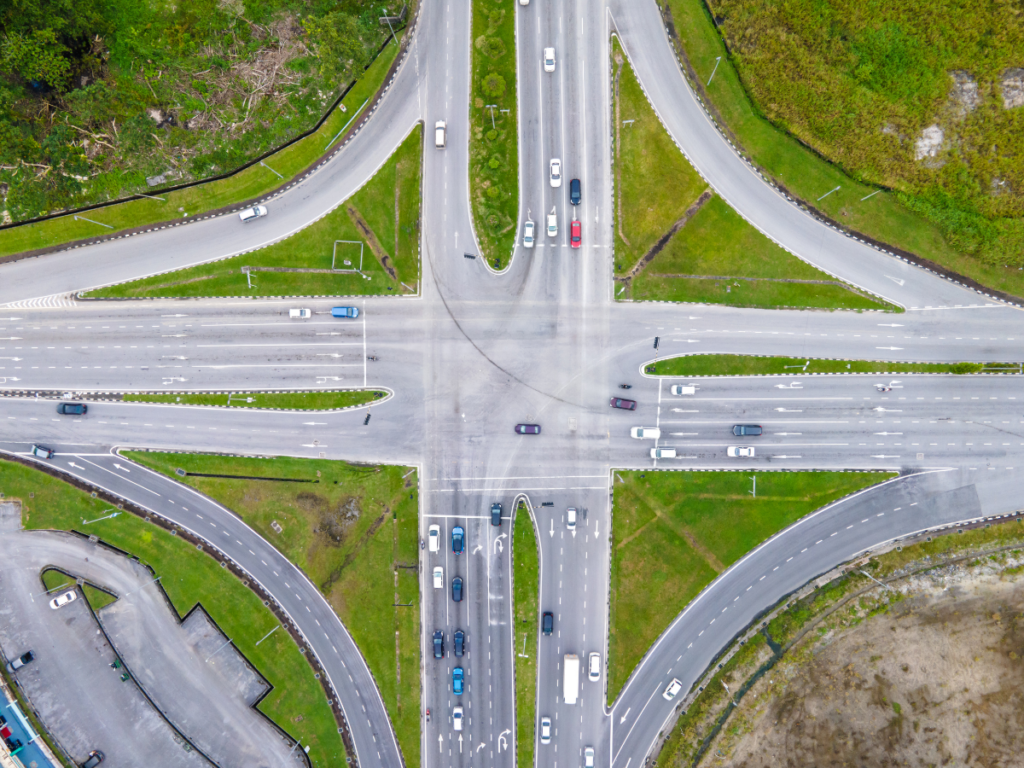
After an intersection accident occurs, one of the biggest challenges is determining what happened. It is common for each driver to have a different version of how the events unfolded. That’s why intersection accident witnesses can play an important role in personal injury cases.
Neutral third-party observations provide valuable information that helps insurance companies, investigators, and courts understand what actually happened. Eyewitness accounts can also help support other evidence, such as police reports, photographs, surveillance video, and accident reconstruction findings.
Our Gillette intersection accident lawyer at Steven Titus & Associates, P.C. can help preserve evidence, identify witnesses, and build a strong claim or lawsuit seeking the full compensation you deserve.
Why Intersection Accidents Can Lead to Disputes
Intersections are among the most dangerous locations on the roadways in Wyoming. To prevent collisions, drivers must obey traffic signals, judge the speed of approaching vehicles, yield when required, and remain alert for pedestrians and cyclists.
After an accident occurs, witness information can help answer important questions about:
- Who had the right of way
- Whether a traffic signal had changed
- Whether someone was speeding
- Whether distracted driving played a role
Why Witnesses Matter After an Intersection Crash
Independent witnesses have nothing to gain from either driver’s insurance claim. That’s why their statements carry strong credibility.
When several forms of evidence point to the same conclusion, establishing liability becomes much easier. Insurance adjusters and attorneys compare eyewitness testimony with other types of important evidence such as:
- Police accident reports
- Vehicle damage
- Photographs
- Video footage
- Medical records
- Electronic vehicle data
- Accident reconstruction analysis
Witnesses That May Help Your Case
People who are present when the accident occurs can provide valuable traffic accident witness statements after an intersection collision.
Independent Bystanders
Pedestrians or individuals standing nearby may have an unobstructed view of the collision. Since they typically have no relationship with either driver, their testimony is often viewed as objective.
These witnesses may remember important details such as the traffic signal colors, vehicle speeds, which vehicle entered the intersection first, and each driver’s behavior immediately before the collision.
Other Motorists
Drivers who were stopped at nearby traffic lights or traveling through adjacent lanes frequently witness intersection crashes. Because they are already focused on traffic conditions, these witnesses may notice critical details that others miss. They may remember whether a driver failed to yield, made an unsafe lane change, accelerated suddenly, or ran a red light or stop sign.
Employees at Nearby Businesses
Employees working near busy intersections sometimes witness crashes from storefront windows, parking lots, or outdoor work areas. These businesses may also possess surveillance cameras that recorded the collision or events leading up to it.
First Responders
Police officers, firefighters, and emergency medical personnel often make important observations immediately afterward. These observations may become part of the official police report.
First responders may document:
- Vehicle positions
- Debris locations
- Skid marks
- Weather conditions
- Driver statements
- Signs of impairment
People With Dash Cameras
Dash cameras have become increasingly common. A nearby driver’s dash camera may capture valuable evidence, including the entire collision, traffic signal changes, vehicle speeds, and the drivers’ actions that occurred leading up to the impact.
Witness Statements May Help Establish Important Details
Witness testimony often addresses several key questions that determine liability. Multiple witness accounts may provide a clearer picture than any single source of evidence.
- Which Driver Had the Right of Way. A witness may confirm key facts such as which traffic light was green, whether one driver failed to yield, and which vehicle entered the intersection first.
- Whether a Driver Ran a Red Light or Stop Sign. Witnesses may report seeing a vehicle enter the intersection after the light turned red, roll through a stop sign, or ignore a flashing traffic signal.
- Speeding or Aggressive Driving. Witnesses sometimes notice unsafe driving before the collision. Examples of reckless driving include excessive speeding, tailgating, sudden lane changes, racing through intersections, and rapid acceleration. Aggressive driving may indicate negligence.
- Distracted Driving. Examples of distracted driving include looking at a cellphone, swerving, delayed braking, erratic driving, and failure to react to changing traffic signals.
Working With an Attorney to Locate Additional Witnesses
Sometimes important witnesses leave before police arrive. An experienced Campbell County car accident attorney can investigate further by:
- Reviewing surveillance footage
- Contacting nearby businesses
- Locating additional witnesses
- Obtaining video recordings
- Working with accident reconstruction experts
Speak With an Experienced Campbell County Intersection Accident Attorney
When drivers disagree about how a collision happened, independent observations can help clarify who had the right of way, whether traffic laws were violated, and the sequence of events leading to the crash.
If you have been injured in an intersection collision, Steven Titus & Associates, P.C. can investigate your case, preserve critical evidence, and file a claim pursuing maximum compensation.
We offer free consultations for personal injury cases.
Call (307) 257-7800 to learn more today. We are available to pick up the phone 24/7.
FAQs About Witness Testimony and Intersection Accidents
Can an independent witness help prove who caused an intersection accident?
Yes. Independent witnesses often provide unbiased observations about what happened before, during, and after a collision. Their statements can strengthen an intersection accident claim when they support other evidence such as police reports, photographs, surveillance footage, or accident reconstruction.
Should I collect witness contact information after an intersection accident?
If it is safe to do so, yes. Obtaining the names and contact information of anyone who saw the crash can help preserve valuable evidence before memories fade or witnesses become difficult to locate. Your attorney can follow up to obtain a detailed statement.
Can passengers serve as witnesses in a car accident case?
Yes. Passengers in either vehicle may provide important information about the events leading up to the collision. While insurance companies may consider their relationship to one of the drivers, their testimony can still be valuable when it is consistent with other evidence.
How can a lawyer help with witness evidence?
A car accident lawyer can investigate the crash, identify additional intersection accident witnesses, obtain recorded statements, secure surveillance or dash camera footage, and work with experts when necessary.