
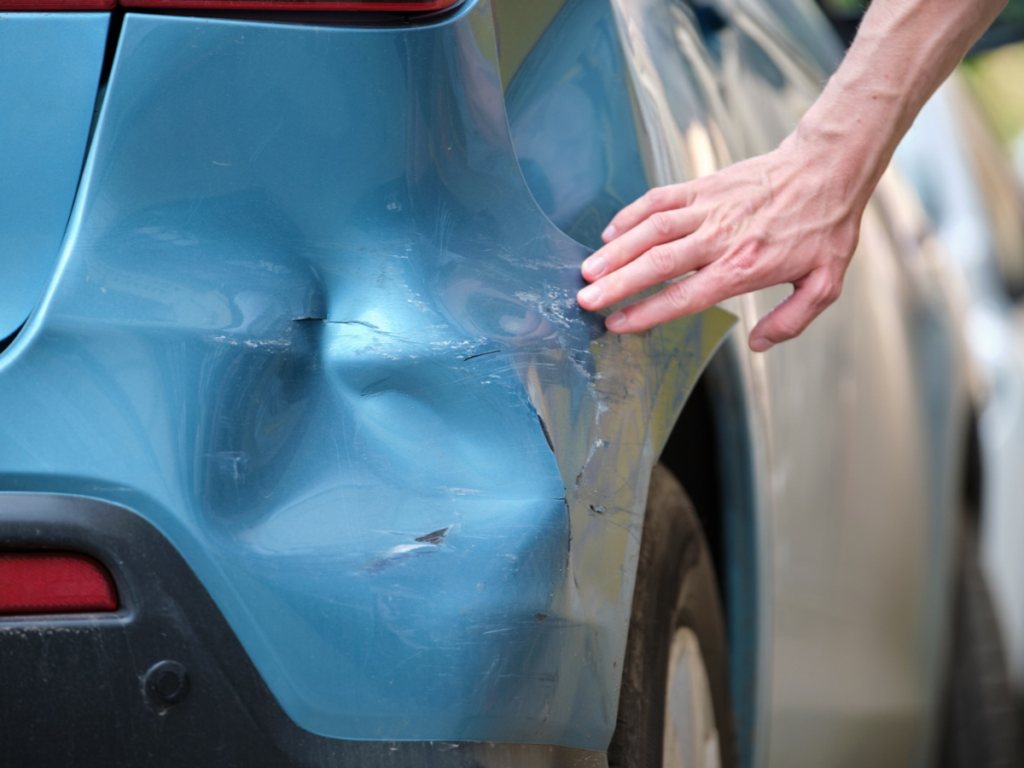
If the hit-and-run driver who caused your injuries cannot be found, your own auto insurance may provide compensation. Wyoming uninsured motorist coverage can protect injured drivers and passengers when the responsible motorist is unidentified.
Your insurance company may question who caused the accident, whether your injuries resulted from the crash, or whether your policy covers the losses. That’s why filing a hit-and-run insurance claim requires understanding your coverage and following the right steps.
The Gillette hit and run accident attorney at Steven Titus & Associates, P.C. helps accident victims by investigating collisions, dealing with insurers, and pursuing the compensation you deserve.
Can You File a Claim if the Hit-and-Run Driver Is Never Identified?
You may be able to file a claim under your own uninsured motorist policy even when police cannot identify the driver responsible for the accident.
Uninsured motorist coverage (UM) is insurance that helps pay for certain injuries caused by drivers who do not have liability insurance. Depending on the policy, it can also cover bodily injuries caused by unidentified hit-and-run motorists.
Under Wyoming Statute § 31-10-101, qualifying automobile liability policies must include uninsured motorist bodily injury coverage unless the named insured rejects it. This means many Wyoming drivers have access to coverage that may help after a hit-and-run accident.
How Can a Wyoming Lawyer Help With Your Insurance Claim?
A car accident lawyer can help you understand your rights, identify available insurance coverage, and pursue compensation after a hit-and-run accident. Steven Titus & Associates, P.C. can:
- Investigating the Accident: Gather police reports, witness statements, photographs, and other evidence to establish how the crash happened.
- Preserving Evidence: Locate surveillance footage, dashcam recordings, and other evidence before it disappears.
- Reviewing Insurance Coverage: Examine your policy to identify uninsured motorist benefits and other available coverage.
- Documenting Your Losses: Collect medical records, treatment bills, lost wage information, and evidence of pain and suffering.
- Handling Insurance Adjusters: Communicate with your insurer, respond to requests, and challenge unfair claim denials or coverage disputes.
- Negotiating a Settlement: Pursue fair compensation based on your injuries, financial losses, and available policy limits.
- Taking Legal Action: Evaluate your legal options and pursue further action when an insurance company refuses to pay a valid claim.
How to File an Uninsured Motorist Claim After a Hit-and-Run
Knowing how to file an uninsured motorist claim can help you avoid costly mistakes.
Step 1: Report the Accident to Police
Contact law enforcement as soon as possible after the collision. Explain what happened, including any information you remember about the fleeing vehicle.
A police report creates an official record that your insurer may use when reviewing your claim. Request a copy when it becomes available. If your injuries prevent immediate reporting, document the circumstances and report the crash as soon as reasonably possible.
Step 2: Get Medical Treatment
Seek medical attention promptly after the accident. Even if your injuries initially seem minor, conditions such as concussions, back injuries, and soft tissue damage may become more apparent later.
Medical records help establish the connection between your injuries and the collision. Follow your doctor’s recommendations and keep records of appointments, prescriptions, treatment, and medical expenses.
Step 3: Notify Your Insurance Company
Contact your insurer and explain that an unidentified driver caused the crash. Ask whether your policy includes uninsured motorist bodily injury coverage and what steps are required to submit a claim.
When talking to the insurance agent, avoid speculating about details you cannot remember. Before providing a recorded statement or signing documents you may not fully understand, consider speaking with a Gillette hit-and-run accident lawyer.
Step 4: Collect Evidence to Support Your Claim
Your insurance company may require evidence showing that another driver caused the accident. Strong documentation can help you establish fault, prove your injuries, and support your request for compensation.
Important evidence may include:
- Police Accident Reports
- Witness Statements:
- Accident Photographs
- Physical Evidence
- Medical Records
- Lost Income Records
- Dashcam footage or surveillance video
A Wyoming hit-and-run accident lawyer can help locate, collect, and preserve evidence, including surveillance footage from nearby businesses. Acting quickly is important because recordings may be automatically deleted or overwritten.
Step 5: Submit Your Claim and Supporting Documentation
Your insurance company may request documents to review your hit-and-run claim and determine whether you qualify for compensation. Providing accurate, complete information can help prevent unnecessary delays.
Your insurer may request:
- Medical Records: Documentation of your injuries, treatment, and medical expenses.
- Vehicle Repair Estimates: Records showing the damage caused by the accident and estimated repair costs.
- Witness Information: Names, contact details, and statements from anyone who witnessed the collision.
- Written Accident Statement: A detailed description of how the crash occurred and what the unidentified driver did.
- Proof of Lost Income: Pay stubs, employer statements, or other records showing wages lost because of your injuries.
Your lawyer can review the insurer’s requirements, help prepare your claim, and protect your rights throughout the process.
Step 6: Review the Insurance Company’s Decision
If your insurer denies your claim or offers less than you deserve, you do not have to accept its decision without question. A Campbell County car accident attorney can review the insurer’s explanation, identify possible errors, challenge an unfair denial, and help you pursue a fair settlement or explore further legal options.
Speak With an Experienced Campbell County Hit and Run Accident Lawyer
If a hit-and-run driver injured you in Campbell County, Steven Titus & Associates, P.C. knows how to fight for the compensation you are entitled to recover.
We were recognized as the #1 Law Firm in the County 17 Readers’ Choice Awards.
Call (307) 257-7800 to schedule a free consultation so you can discuss your case with a trusted car accident lawyer.
You Need A Fighter In Your Corner.
Frequently Asked Questions About Filing a Hit-and-Run Claim With Your Own Insurance
Can I file an insurance claim if the hit-and-run driver is never found?
Yes. If you have uninsured motorist coverage, you may be able to file a claim with your own insurance company even when the responsible driver cannot be identified. A Wyoming hit-and-run attorney can help you establish these facts.
Will my insurance pay if the hit-and-run driver never touched my vehicle?
Under Wyoming Administrative Code Chapter 23, Section 23-4, qualifying hit-and-run bodily injury coverage cannot require actual physical contact between vehicles. If an unidentified driver forced you off the road or caused you to crash while avoiding a collision, you may still qualify for uninsured motorist benefits.