
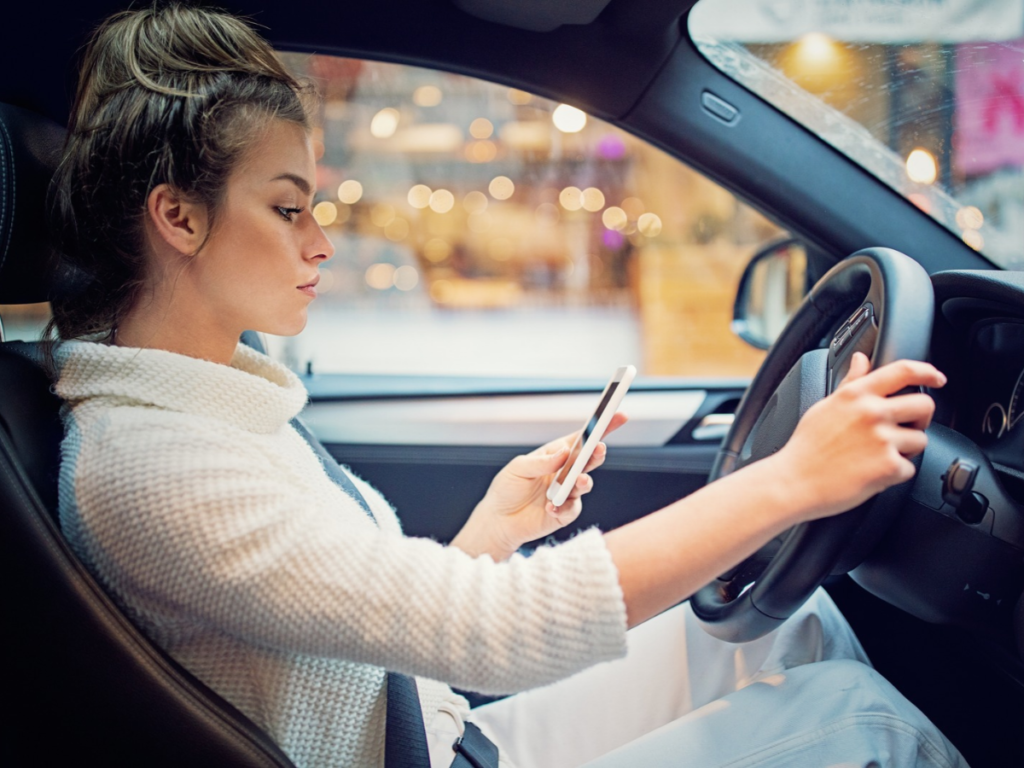
If you were injured in a car accident caused by a driver who was texting, looking at their phone, or engaging in another distracting activity, proving that the driver was not paying attention can be challenging.
Fortunately, cellphone records, witness statements, surveillance footage, dashcam recordings, and other evidence can help establish driver negligence and strengthen your personal injury claim.
At Steven Titus & Associates, P.C., our Gillette distracted driving accident lawyer can investigate the collision, gather evidence to establish the other driver’s negligence, and fight for the maximum compensation available for your medical expenses, lost wages, pain and suffering, and other damages.
What Is Distracted Driving?
Distracted driving occurs when a driver engages in an activity that diverts attention from the road, interferes with operating the vehicle safely, or delays the driver’s response to changing traffic conditions.
Texting while driving is a particularly serious concern. Under Wyoming Statute § 31-5-237, drivers are generally prohibited from using handheld electronic wireless communication devices to read, write, or send text-based communications while operating a vehicle on public streets or highways, subject to certain exceptions.
rewrite: Common examples of distracted driver actions include:
- Texting: Reading, writing, or sending text messages while driving.
- Using social media: Posting updates, scrolling through feeds, or viewing notifications.
- Using electronic devices: Reading emails, browsing websites, or looking at a handheld phone.
- Adjusting vehicle controls: Changing radio stations, adjusting climate controls, or operating entertainment systems.
- Using navigation systems: Entering destinations or looking at GPS screens instead of watching the road.
- Reaching for objects: Attempting to retrieve a dropped phone, bag, or other item.
- Talking with passengers: Becoming distracted by conversations or turning to look at someone in the vehicle.
Even a momentary distraction can prevent a driver from noticing a stopped vehicle, pedestrian, traffic signal, or other hazard in time to avoid an accident.
What Evidence Can Help Prove Distracted Driving in a Car Accident?
Proving that a driver was distracted involves collecting evidence that shows they were not paying attention to the road when the accident occurred. Since drivers may deny using their phones or engaging in other distractions, establishing negligence may require several types of evidence.
Cellphone Records
Cellphone records may provide valuable evidence in a distracted driving accident claim. These records can help determine whether a driver was using their phone around the time of the collision.
Relevant information may include:
- Incoming and outgoing calls
- Text message activity
- Mobile data usage
- Timestamps showing when communications occurred
However, cellphone records may not reveal whether someone was reading a message, browsing an app, or looking at their screen when the crash happened. An attorney can pursue access to relevant records through appropriate legal procedures and compare the information with the accident timeline.
Data From the Driver’s Phone
A driver’s phone may contain evidence of distractions that cellphone service records cannot establish. A forensic examination may reveal activity involving messaging applications, social media, GPS navigation, and other phone functions leading up to the collision.
Accessing this information may require consent, a court order, or another legally authorized method. A distracted driving accident lawyer can work to preserve potentially relevant electronic data and seek access to information that may support your claim.
Eyewitness Testimony
People who witnessed the accident may provide important details about the driver’s actions before the crash. For example, someone may have seen the driver looking at a phone, reaching for something inside the vehicle, or turning away from the road to speak with a passenger.
Other drivers, passengers, pedestrians, and employees at nearby businesses may have witnessed these behaviors. Their statements can help establish whether distraction contributed to the collision, especially if the at-fault driver disputes the allegations.
Dashcam and Surveillance Video
Video footage can provide important evidence of distracted driving by showing what happened immediately before an accident.
Potential sources include:
- Dashcams installed in personal or commercial vehicles
- Security cameras at nearby businesses
- Residential doorbell cameras
- Surveillance systems in parking lots
- Traffic cameras that recorded the collision
Video may reveal a driver drifting out of their lane, failing to slow down, looking away from traffic, or reacting too late to avoid an accident. While these actions alone may not conclusively establish distraction, they can help support a claim when combined with other evidence.
Because some surveillance systems automatically overwrite recordings, acting quickly to identify and preserve available footage is important.
Police Reports
A police report may contain helpful information about the circumstances surrounding a distracted driving accident. Responding officers may document witness accounts, statements from the drivers, traffic violations, road conditions, and visible vehicle damage.
Although a police report does not automatically establish fault, it can provide a starting point for investigating the collision. An attorney can examine the report, evaluate its findings, and identify additional evidence needed to support your case.
Electronic Vehicle Data
Many modern vehicles contain electronic systems that record certain details about vehicle operation. An event data recorder (EDR) may capture information from the moments surrounding a collision, including:
- Vehicle speed
- Whether the brakes were applied
- Accelerator pedal position
- Seat belt usage
- Certain changes in vehicle movement
This information may help establish whether a driver attempted to avoid the crash or failed to react to changing traffic conditions. Although electronic vehicle data does not necessarily prove distraction, it can provide valuable context when considered alongside other evidence.
A car accident lawyer may work with qualified accident reconstruction professionals to obtain, analyze, and interpret this information as part of the investigation.
Speak With a Distracted Driver Accident Lawyer in Gillette?
If a distracted driver caused your accident, you deserve answers and accountability. At Steven Titus & Associates, P.C., we help injured individuals establish liability and pursue the compensation they deserve.
Call (307) 257-7800 today to schedule a free consultation with a Campbell County car accident lawyer.
We were recognized as the #1 Law Firm in the County 17 Readers’ Choice Awards.
You Need A Fighter In Your Corner.
Frequently Asked Questions About Proving Distracted Driving in Wyoming
Can cellphone records prove the driver was texting when the accident happened?
Cellphone records may help establish whether a driver was sending or receiving messages, making calls, or using mobile data around the time of the collision. But these records do not always reveal whether the driver was actively reading a message or using an app. Your attorney may use subpoenas or other legal procedures to obtain relevant information and compare it with the accident timeline.
How can I prove the other driver was distracted during the accident?
You can prove distracted driving through cellphone records, witness statements, dashcam footage, surveillance videos, police reports, and vehicle data. Evidence showing that the driver failed to brake, drifted between lanes, or ignored traffic signals may also support your claim.