
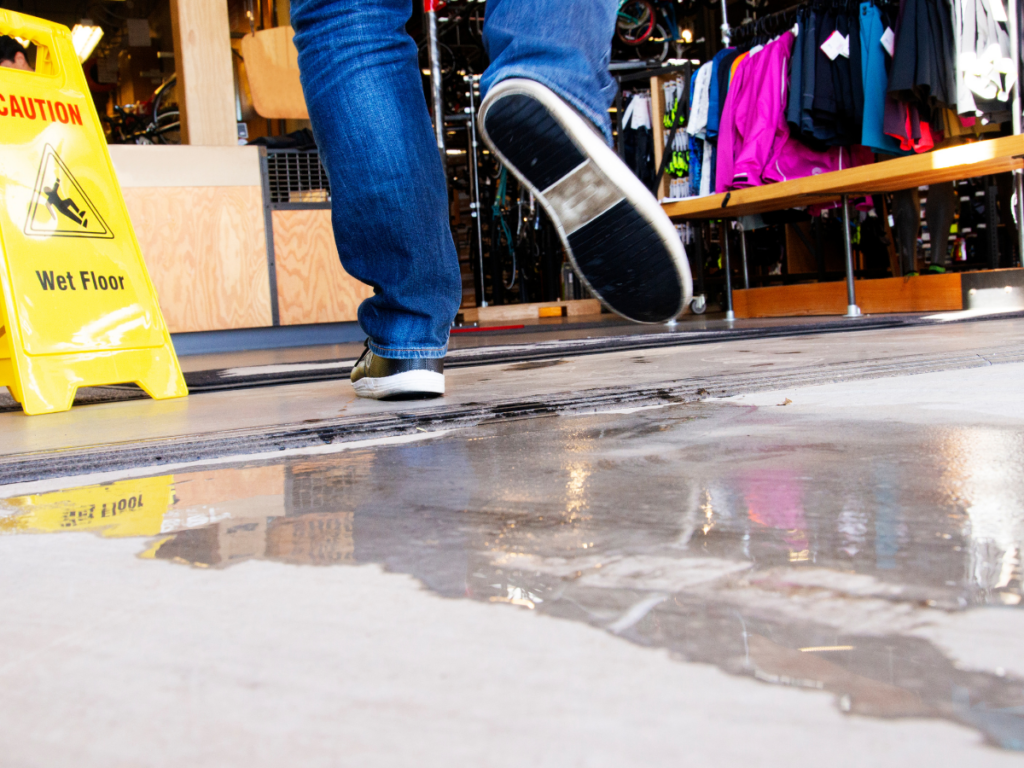
Slip and fall accidents can cause serious injuries, including broken bones, head trauma, spinal damage, chronic pain, and long-term mobility issues. These claims are aggressively defended personal injury cases, as property owners and insurance companies try to protect themselves by denying responsibility or arguing that the injured person was actually at fault.
Steven Titus is an experienced personal injury lawyer in Gillette. At Steven Titus & Associates, P.C., we understand how challenging it can be to prove fault in a slip and fall case under Wyoming law.
Establishing liability requires a detailed investigation, strong evidence, and a deep understanding of slip and fall laws and premises liability principles. It’s essential to build a solid case when seeking the compensation you need to cover the cost of your medical bills, time missed from work, pain and suffering, and other damages caused by the accident.
Understanding Premises Liability
Slip and fall cases fall under the legal category of premises liability, which governs the responsibilities of property owners and occupiers. Under Wyoming liability depends on whether the owner failed to meet their legal duty of care and whether that failure caused the injury.
Proving property owner negligence requires showing that the owner or manager failed to fix a dangerous condition or provide adequate warning for a hazard that they should have known about.
How Visitor Status Affects a Slip and Fall Claim
One of the first issues an attorney examines in a Campbell County slip and fall case is the injured person’s legal status on the property. Wyoming recognizes different levels of duty depending on whether the visitor is an invitee, licensee, or trespasser.
Invitees
Invitees are people who enter a property for the owner’s benefit, such as customers in a store or guests at a business. Property owners owe invitees the highest duty of care premises law requires, including regular inspections and prompt repair of hazards.
Licensees
Licensees include guests or people allowed on the property for non-commercial reasons. Property owners must warn licensees of known dangers that are not obvious.
Trespassers
Property owners generally owe limited duties to trespassers, though exceptions may apply in certain circumstances.
Identifying Dangerous Conditions
Slip and fall accidents are usually caused by hazardous conditions that should have been addressed, such as:
- Wet or icy walkways
- Uneven flooring or loose carpeting
- Broken stairs or handrails
- Poor lighting
- Spilled liquids
- Obstructed walkways
An experienced attorney looks beyond the immediate hazard to determine why it existed, how long it was present, and whether the property owner had a reasonable opportunity to fix it.
Key Evidence Used to Prove Fault
Strong slip and fall evidence is the foundation of a successful claim. At Steven Titus & Associates, P.C., we focus on gathering and preserving evidence before it is lost or destroyed.
Incident Reports
If the accident occurred at a business, an incident report may have been completed by staff. These reports often contain admissions, timelines, and details that support liability.
Surveillance Footage
Security cameras frequently capture both the hazardous condition and the fall itself. Video evidence can show how long a danger existed and whether employees ignored it.
Maintenance and Inspection Records
Maintenance logs, cleaning schedules, and inspection reports can reveal whether the property owner followed reasonable safety practices.
Witness Statements
Eyewitnesses can confirm the presence of a hazard, the lack of warnings, or prior complaints about the condition.
Prior Complaints or Incidents
Evidence that others previously complained about or were injured by the same hazard can strongly support claims of negligence.
Expert Testimony
In complex cases, experts such as safety engineers or medical professionals may be used to explain how the condition caused the injury and why it violated safety standards.
Building Strong Slip and Fall Claims
At Steven Titus & Associates, P.C., we take a thorough, evidence-driven approach to slip and fall claims. We investigate the scene, preserve critical evidence, consult experts when necessary, and aggressively advocate for our clients at every stage.
Our goal is to hold negligent property owners accountable and pursue full compensation for medical expenses, lost income, pain and suffering, and long-term impacts.
Speak With a Trusted Campbell County Slip and Fall Injury Lawyer
You have the right to seek compensation if you were injured due to another’s person’s careless behavior. Proving fault in these cases requires experience and prompt legal action. Contact Steven Titus & Associates, P.C. to learn more today.
Call (307) 257-7800 for a free consultation.
Frequently Asked Questions
How do I prove fault in a slip and fall case?
To prove fault, you must show that the property owner owed you a duty of care, failed to maintain safe conditions or warn of hazards, and that this negligence caused your injury. Evidence such as surveillance footage, maintenance records, witness statements, and incident reports is often critical.
What are Wyoming slip and fall laws regarding property owner responsibility?
Under Wyoming slip and fall laws, property owners must take reasonable steps to keep their premises safe based on the visitor’s status (invitee, licensee, or trespasser). The level of duty owed depends on why you were on the property.
Can I still recover compensation if I was partially at fault?
Yes, Wyoming follows a modified comparative negligence rule. You may recover damages as long as you are less than 50% at fault. Our attorney will file a strong claim and push back against efforts to exaggerate your level of fault.
What evidence is most important in a slip and fall claim?
Key slip and fall evidence includes photos or video of the hazard, surveillance footage, weather records, maintenance logs, incident reports, witness statements, and medical documentation linking the fall to your injuries.
When should I contact a slip and fall attorney after an accident?
You’ll want to contact a Gillette premises liability attorney as soon as possible after a fall. Early legal involvement helps preserve evidence, address insurance company tactics, and protect your right to compensation.