Can You Be Charged Without Someone Pressing Charges in Wyoming
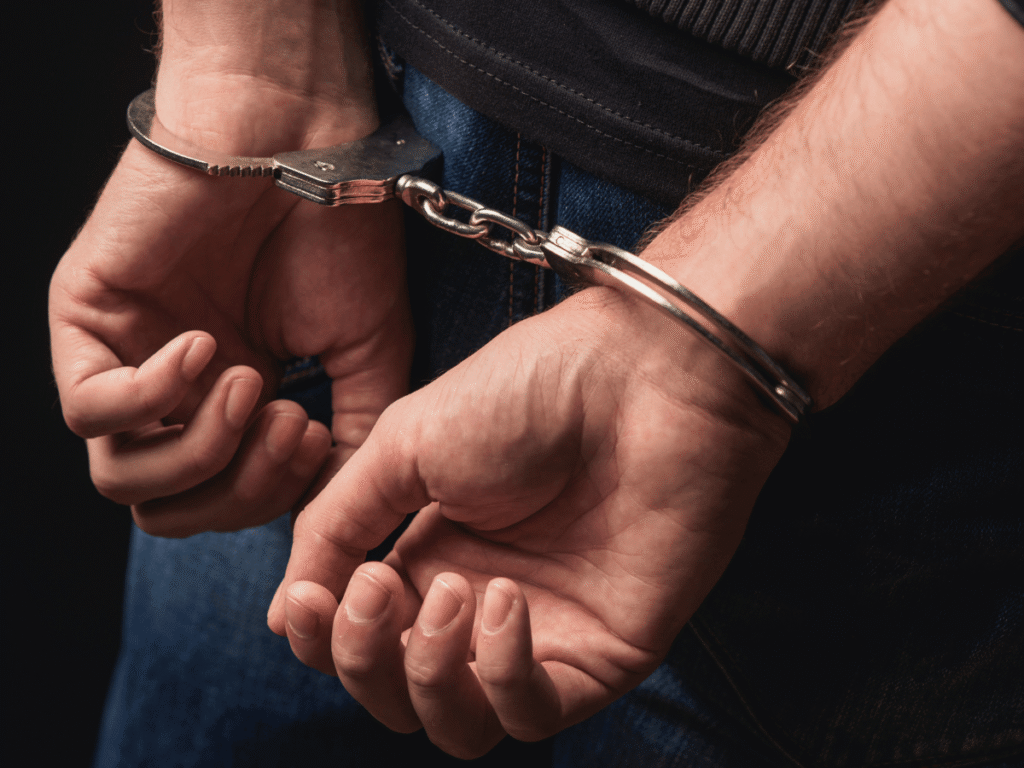
Many people believe that if nobody wants to press charges, then a criminal case cannot move forward. But that just isn’t true. Once law enforcement becomes involved, the case shifts from a private matter to a legal one.
In situations such as domestic violence, DUI, or drug cases, the state may proceed without a complaining witness. It’s up to the police to investigate possible crimes and it’s the district attorney’s job to decide when to press charges.
In this blog, the Gillette criminal defense lawyers at Steven Titus & Associates, P.C. explain how criminal prosecution works and we review legal strategies for protecting defendants in criminal cases.
Who Actually Presses Charges in Wyoming?
Victims don’t actually press charges; the district attorney does. Here’s how the process really works:
- Police investigate alleged crimes, and gather evidence,
- If they have probable cause that a crime was committed, police may arrest a suspect.
- Prosecutors, usually the county or district attorney, review the evidence and decide whether to file charges.
- Once charges are filed, the case becomes known as the State of Wyoming vs. the defendant.
This means that even if an alleged victim refuses to cooperate, recants their statement, or asks that charges be dropped, the prosecutor can still move forward under state prosecution rules.
Misconceptions About Dropping Charges
It is a common assumption that if the apparent victim of a crime doesn’t want to press charges, the case will end. But only the prosecutor has that authority, and judges cannot dismiss charges unless there is a legal basis to do so. This is why it’s so important to work with an attorney who understands how Wyoming prosecutors handle criminal cases.
Domestic Violence Cases
Domestic violence is one of the most common situations where the state prosecutes even if the victim is uncooperative. Prosecutors may rely on:
- 911 call recordings
- Body camera footage from responding officers
- Medical records documenting injuries
- Statements made to police at the scene
DUI Cases
DUI charges do not require a victim at all. Even if no one was injured, the state prosecutes DUIs. Evidence may come from:
- Field sobriety tests
- Breathalyzer or blood test results
- Dash cam or body cam recordings
Drug Possession Cases
Like DUIs, drug possession cases may proceed without a victim. Evidence may be based on what officers discover during searches or traffic stops. These cases move forward regardless of whether anyone comes forward to complain.
The District Attorney’s Role
Ultimately, the decision to charge someone with a crime rests with the district attorney. This is called prosecutorial discretion. Factors the DA may consider include:
- Strength of the evidence (documents, photos, lab tests, officer testimony)
- Whether the defendant poses a danger to the community
- The likelihood of conviction at trial
- Prior criminal history of the defendant
Even when the victim is absent or uncooperative, prosecutors can move forward if they believe they can prove the case beyond a reasonable doubt.
What Happens If an Alleged Victim Refuses to Testify?
In some cases, the alleged victim may refuse to take the stand at trial. When this happens, prosecutors look for other ways to build their case, such as:
- Statements made by the victim in 911 calls or at the scene (sometimes admissible under exceptions to hearsay rules)
- Officer observations of injuries or intoxication
- Physical evidence such as photos, medical records, or forensic test results
How a Criminal Defense Lawyer Can Help
No matter how the prosecution decides to build their case, you still have rights and options. Your attorney will explain how state prosecution rules apply to your specific case, giving you a clearer picture of what to expect. When a witness refuses to testify in a criminal case, it can have a major impact on both the prosecution and the defense. Your attorney may choose to:
- Challenge the admissibility of evidence like 911 calls or medical records.
- Argue that without live testimony, the prosecution cannot meet its burden of proof.
- File motions to dismiss based on lack of evidence.
- Negotiate with prosecutors to reduce or drop charges when cooperation is lacking.
Challenging the Admissibility of Prior Statements
If the witness previously made statements to police or prosecutors and now refuses to testify in court, those statements may be excluded as hearsay. Under the Confrontation Clause of the Sixth Amendment, defendants have the right to confront and cross-examine their accusers.
If the witness is unavailable and the defense didn’t get a chance to cross-examine them, those statements are often inadmissible. Your attorney may file a motion to exclude prior statements due to lack of cross-examination.
Making a Motion to Dismiss or Reduce Charges
If the witness is central to the prosecution’s case, their refusal to testify may leave the state with insufficient evidence. In these cases, a motion to dismiss charges may be appropriate. Your attorney can argue that the state cannot meet its burden of proof without the testimony. The court may drop or reduce charges if the prosecution can’t proceed.
Investigating the Reason for Refusal
Sometimes witnesses refuse to testify because they were pressured, intimidated, or even coached. Your attorney can investigate and present evidence of coercion or false allegations. A reluctant or unreliable witness can raise reasonable doubt about the case.
Asserting the Right to a Fair Trial
If the prosecution continues to rely on statements from a non-testifying witness or fails to disclose the reasons for a refusal, the defense can raise constitutional concerns. Your attorney may argue that continued prosecution under these conditions violates your right to due process and a fair trial. This can form the basis for an appeal or suppression of evidence.
Reasons to Choose Steven Titus & Associates, P.C.
Facing criminal charges in Campbell County is one of the most difficult experiences a person can face. Your reputation, freedom, and future may be on the line. That’s why it’s critical to contact a skilled criminal defense attorney as soon as possible.
At Steven Titus & Associates, P.C., we are committed to protecting your rights, challenging the prosecution’s case, and guiding you through every stage of the legal process. We understand how prosecutors build cases, because we’ve gone head-to-head in the past. We investigate the facts, challenge improper procedures, and look for weaknesses in the state’s case before they go to court.
Our firm is based in Gillette, Wyoming, and we’re deeply familiar with the local courts, judges, and law enforcement procedures. That insight gives us an advantage in developing strategies tailored to your case and jurisdiction.
Speak With an Experienced Criminal Defense Attorney in Campbell County
Steven Titus & Associates, P.C. will fight to protect your rights, challenge weak evidence, and seek the best possible outcome. We make ourselves available 24/7 for our clients. Time matters in criminal defense and early intervention can change the direction of a case.
Call us today at (307) 257-7800 for a free consultation.

Your FREE Case Strategy Session
On All Injury and Criminal Cases
Contact our office right now to speak to
someone who wants to help you.