
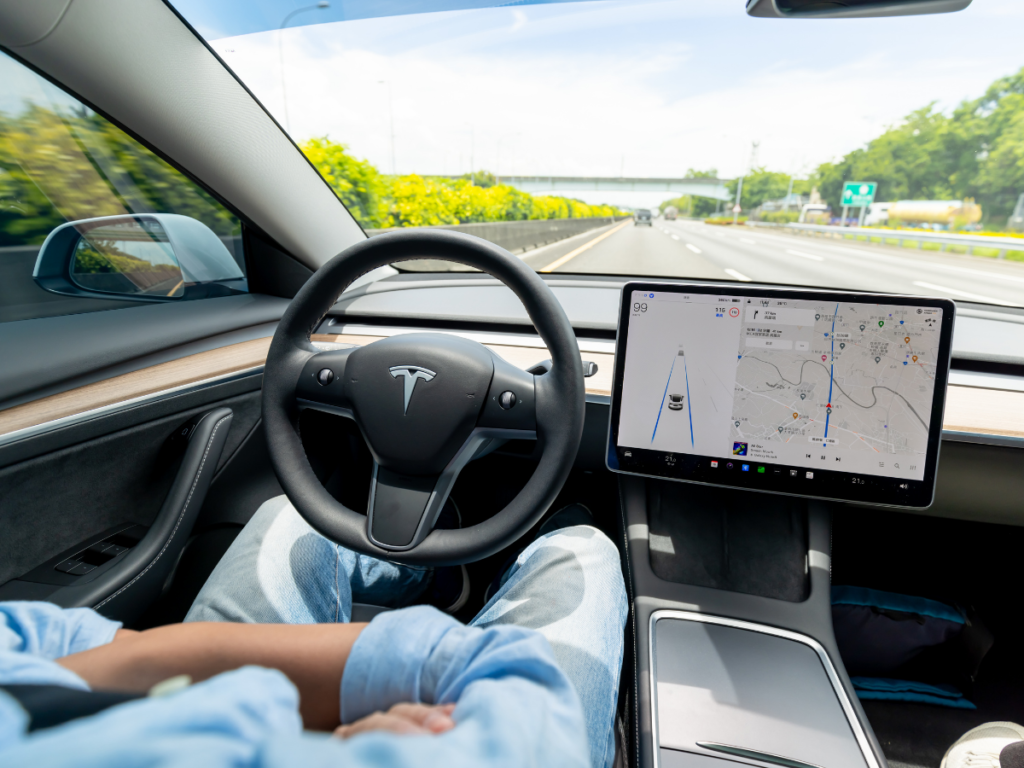
Under current DUI laws in South Dakota, autonomous vehicles are not exempt from DUI enforcement. Even if a Tesla’s Autopilot or similar technology is activated, the human occupant may still be considered legally responsible for the vehicle. In these situations, police officers and prosecutors will argue that the driver remained in “actual physical control” of the car while impaired.
If you are facing allegations involving impaired driving autonomous vehicle laws, it is important to understand how South Dakota courts may evaluate these cases and why emerging vehicle technology does not automatically prevent a DUI arrest.
Steven Titus is an experienced South Dakota DUI defense lawyer. At Steven Titus & Associates, P.C., we help clients navigate complex criminal matters regarding evolving technology and DUI allegations throughout South Dakota.
Can You Get a DUI in Tesla Autopilot Mode?
Under current South Dakota law, Tesla’s Autopilot system is considered a driver-assistance feature, not a fully autonomous driving system. Tesla itself warns drivers to remain attentive and ready to take control of the vehicle at all times.
Because of this, law enforcement officers typically treat the human operator as legally responsible for the vehicle, even when automated features are active. That means a person who is intoxicated while sitting behind the wheel of a Tesla using Autopilot could still face arrest under South Dakota DUI laws.
Understanding South Dakota DUI Laws
South Dakota’s laws prohibit operating or being in actual physical control of a vehicle while impaired by alcohol or drugs. A DUI charge may involve:
- Blood alcohol concentration above the legal limit
- Impairment from alcohol
- Drug impairment
- Prescription medication impairment
- Combined substance impairment
What Does “Actual Physical Control” Mean?
Actual physical control is one of the most important legal concepts in DUI cases involving autonomous or semi-autonomous vehicles. Generally, courts examine whether a person could operate or direct the vehicle, even if the car was stopped or parked. This becomes especially important in cases involving Tesla and other advanced technologies, because prosecutors may argue that the human operator still maintained ultimate control over the car.
Factors that may be considered include:
- Whether the person was in the driver’s seat
- Whether the keys or phone access device were present
- Whether the vehicle was running
- Whether the person could place the vehicle in motion
- Whether the person appeared capable of controlling the vehicle
What If I Was Sleeping in My Tesla?
Many people assume sleeping in a parked vehicle prevents DUI charges. Unfortunately, that is not always true. South Dakota officers may still investigate whether the person had actual physical control of the vehicle.
For example, police may examine:
- Was the vehicle running?
- Was the person in the driver’s seat?
- Were the keys accessible?
- Was the vehicle parked legally?
- Could the person have driven away easily?
How Police Investigate Tesla DUI Cases
Technology-related DUI cases involve additional evidence beyond standard traffic stops. Investigators may examine vehicle data logs, GPS information, surveillance, and dash camera footage, cell phone activity, and statements made by the driver.
Tesla vehicles collect substantial operational data that may be used in a criminal investigation. Police and prosecutors may attempt to use this information to establish:
- Vehicle movement
- Driver attentiveness
- Driver interaction with controls
- Speed
- Lane positioning
- Braking activity
Defense Strategies in Autonomous Vehicle DUI Cases
An experienced DUI lawyer may analyze several important issues.
- Was the Driver Actually in Control? If the vehicle was parked, disabled, or operating independently in limited ways, defense counsel may challenge whether actual physical control existed.
- Was the Evidence Properly Collected? Because autonomous driving technology continues evolving, many law enforcement agencies still have limited experience interpreting this evidence properly. Defense attorneys may examine how vehicle data was obtained, whether warrants were required, and whether data interpretation was accurate.
- Was the Driver Actually Impaired? Technology does not eliminate traditional DUI defense strategies. Like any DUI case, prosecutors still must prove impairment. A Deadwood criminal defense attorney may challenge field sobriety testing, breath-test accuracy, blood-testing procedures, and officer observations.
Speak With an Experienced DUI Defense Lawyer in Deadwood
Steven Titus & Associates, P.C. represents people who are facing DUI allegations throughout South Dakota, including complex cases involving emerging vehicle technologies. Our firm carefully examines every aspect of the arrest, including the traffic stop, and we work aggressively to challenge weak or flawed evidence whenever possible.
To learn more, call (307) 257-7800 and schedule a free consultation today.
Frequently Asked Questions About Tesla Autopilot and DUI Charges in Deadwood
Can you get a DUI in Tesla Autopilot mode in South Dakota?
Yes. Under current South Dakota law, drivers may still face DUI charges even when Tesla Autopilot or other driver-assistance systems are engaged. Law enforcement generally considers the human occupant legally responsible for monitoring and controlling the vehicle at all times.
What does “actual physical control” mean in a Tesla DUI case?
Actual physical control refers to whether someone could operate or direct the vehicle, even if it was not actively moving. In a Tesla DUI case, prosecutors may argue that sitting behind the wheel with access to the controls or keys is enough to establish control under driving under the influence laws.
Can I get arrested for a DUI if I was sleeping in my parked Tesla?
Maybe. South Dakota officers may still investigate whether you had actual physical control of the vehicle. Factors like whether the car was running, where you were seated, and whether the keys were accessible may all affect whether charges are filed.
How can a DUI Lawyer help with a Tesla-related DUI charge?
A DUI lawyer may examine vehicle data, police procedures, actual physical control issues, and the reliability of evidence involving autonomous driving systems. Because these cases involve evolving technology and legal gray areas, a Deadwood DUI defense attorney can help identify weaknesses in the prosecution’s case and protect your rights throughout the process.