
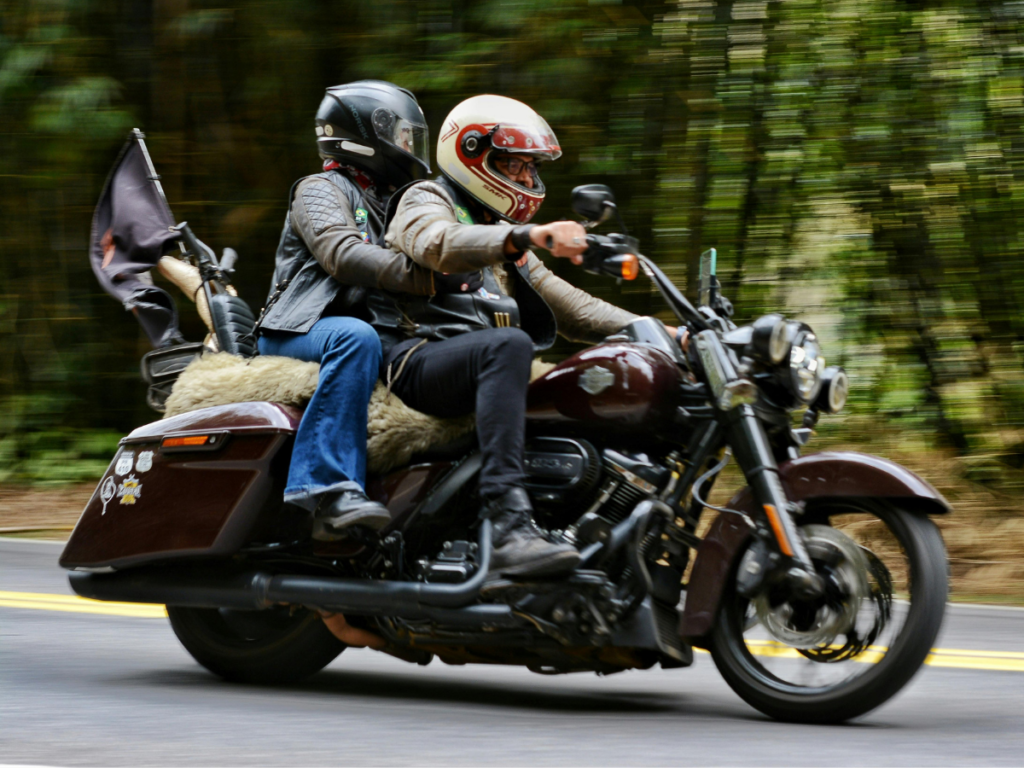
Every year, riders from across the country travel to South Dakota for the Sturgis Motorcycle Rally. Many come from nearby states like Minnesota, Colorado, Nebraska, Iowa, and North Dakota. Others make the long ride from places like California, Florida, and Texas. No matter where you are coming from, the goal is the same: enjoy the rally, take in the Black Hills, and get home safely.
The numbers show why preparation matters. During the 2025 rally, the South Dakota Department of Transportation counted 537,459 vehicles entering Sturgis over the 10-day event. That was up 11.3% from the prior five-year average. The South Dakota Highway Patrol and Sturgis Police Department also reported 66 injury accidents, 27 non-injury accidents, and four fatalities during the 2025 rally.
Steven Titus is an experienced South Dakota motorcycle accident lawyer. At Steven Titus & Associates, P.C., we help riders pursue maximum compensation for injuries caused by someone else’s negligent behavior.
Why Should Out-of-State Riders Prepare Differently?
You may be an experienced rider in your home state. That matters. But the Black Hills during rally week are their own environment. Riders are dealing with sharp curves, hills, changing weather, wildlife, sudden stops, narrow shoulders, RVs, trailers, cars, trucks, pedestrians, and thousands of other motorcycles.
Riders from states such as Minnesota, Iowa, Nebraska, and North Dakota may be used to longer straight roads and open sightlines. In the Black Hills, curves may come quickly, and traffic may slow with little warning. Riders from Colorado may be more comfortable with elevation and mountain roads, but rally traffic near Sturgis can still be very different from an ordinary mountain ride.
Riders from states like California, Florida, and Texas may be used to long distances or heavy traffic. Even so, rally traffic mixed with rural highways, tight turns, wildlife, construction, and large motorcycle groups can create risks that feel very different from riding at home.
Are There Safer Routes to Take Through the Black Hills?
Some Black Hills routes are more challenging than others. Before heading out, riders should think about more than where they want to go. They should also think about whether the route fits their comfort level, riding experience, passenger load, and bike setup.
South Dakota’s Ride Safe SD program is a good place to start. The program offers motorcycle safety tips, training information, maps, and Sturgis rally resources. Ride Safe SD also has an interactive map that helps riders preview routes, view helmet-cam footage, and check traffic before they ride.
Before choosing a route, riders should consider:
- Whether the road has sharp curves or steep grades
- How much traffic is expected
- Whether they will be riding at night
- Where they can stop for fuel, water, food, or rest
- Whether the route is safe for group riding
- Whether weather could change during the ride
- Whether the route matches their skill level
The Black Hills are one of the best parts of the rally. Planning ahead helps riders enjoy them with less risk.
What Should Riders Know About Traffic Changes?
Traffic around Sturgis does not operate like normal during the rally. The South Dakota Department of Transportation says the 86th Annual Sturgis Motorcycle Rally is scheduled for August 7–16, 2026, and SDDOT will activate temporary traffic adjustments because of increased traffic volumes.
That means riders should expect delays, temporary signals, reduced speeds, construction impacts, and heavy traffic near major routes. SDDOT also provides South Dakota 511, which gives road conditions, cameras, incidents, and alerts.
Before leaving a hotel, campground, rental, or rally event, riders should check official traffic updates. It may only take a few minutes, but it can help avoid crowded routes, bad weather, or road closures.
Check Your Insurance Before Leaving Home
From a personal injury lawyer’s point of view, this is one of the most important steps out-of-state riders can take before coming to Sturgis. After a crash, insurance questions can become stressful fast. Riders may be far from home, the bike may be damaged, and medical bills may start coming in before fault is clear.
Before leaving, riders should review their motorcycle policy and ask their insurance agent about:
- Liability coverage: This protects others if the rider causes a crash. Minimum limits may not be enough for a serious wreck.
- Uninsured motorist coverage: This may help if the at-fault driver has no insurance.
- Underinsured motorist coverage: This may help if the at-fault driver has insurance, but not enough to cover the injuries.
- Medical payments coverage or PIP: Depending on the policy and home state, this may help with medical bills.
- Collision coverage: This may help pay for motorcycle damage, even before fault is fully resolved.
- Comprehensive coverage: This may help with theft, vandalism, hail, animal damage, or other non-collision losses.
- Custom parts and equipment coverage: Riders should ask whether saddlebags, paint, electronics, upgrades, helmets, and gear are covered.
- Roadside assistance and towing: Long-distance riders should know mileage limits and towing rules.
- Passenger coverage: Riders carrying a passenger should know how passenger injuries are handled.
- Out-of-state coverage: Riders should confirm that their policy follows them into South Dakota.
South Dakota law requires drivers and owners to maintain financial responsibility. An owner’s policy must provide at least $25,000 for bodily injury or death of one person, $50,000 for bodily injury or death of two or more people, and $25,000 for property damage in one accident. Those are minimum limits. A serious motorcycle crash can cost much more.
What Should Riders Bring Along?
A little paperwork can save time after a crash, breakdown, or insurance issue. Riders should bring:
- Insurance card and policy number
- Health insurance card
- Emergency contact information
- Driver’s license with motorcycle endorsement
- Motorcycle registration
- Photos of the bike before the trip
- Receipts or records for custom parts and gear
- Roadside assistance information
- Basic medical information first responders may need
It is also a good idea to make sure a trusted person back home knows the route, lodging plans, and emergency contacts.
What Should Riders Know About Helmets?
South Dakota does not require every adult rider to wear a helmet. State law requires motorcycle operators and passengers under 18 to wear a helmet that meets the required standard. Adult riders may make their own choice.
Still, helmet use can affect injury severity. Riders should think about more than what the law allows. A helmet, eye protection, gloves, boots, and protective clothing may reduce the risk of serious injury.
What If a Crash Happens Far From Home?
If a crash happens, safety comes first. Call 911, get medical care, and report the crash. If it is safe, take photos of the vehicles and bikes involved, road, signs, skid marks, helmets, gear, injuries, and traffic conditions. Get witness names and contact information. Save medical bills, towing bills, hotel receipts, repair records, and travel-change costs.
Riders should also be careful with insurance calls. It is fine to report a crash, but injured riders should not make a recorded statement, and they should avoid accepting a quick settlement before speaking with a South Dakota personal injury attorney.
How Can Responsible Riding Help Protect Riders?
The Sturgis Motorcycle Rally is an important event for riders and for the Black Hills. It brings visitors, business, and energy to the area. But it also places a heavy burden on local roads, local workers, and first responders.
Responsible riding helps everyone. Plan your route. Check Ride Safe SD. Watch your speed. Ride sober. Give other riders space. Respect local drivers and pedestrians. Take breaks when tired. Remember that the rally is not just an event. It happens in a community that people call home.
Speak With an Experienced South Dakota Motorcycle Accident Lawyer
At Steven Titus & Associates, P.C., we care about the riders, families, and communities that make the Sturgis Motorcycle Rally possible.
If you or someone you love is injured in a motorcycle crash in Sturgis, South Dakota, our legal team can answer your questions and help you understand your options for pursuing the money you need to cover your medical bills, lost wages, pain and suffering, and other damages.
Call (307) 257-7800 for a free consultation today.
You Need a Fighter in Your Corner.